Niagara Construction News staff writer
The Ontario government has introduced legislation that would give the province more control over regional governments and reduce the size of councils in Simcoe County and Niagara Region.
The proposed Better Regional Governance Act, 2026 would allow the Minister of Municipal Affairs and Housing to appoint regional chairs in several municipalities, including Durham, Halton, Muskoka, Niagara, Peel, Waterloo and York, as well as the warden of Simcoe County. Those chairs would be granted so-called “strong mayor” powers aimed at speeding up decisions tied to provincial priorities such as housing and infrastructure.
The legislation would also shrink the size of regional councils in Simcoe and Niagara, a move the province says would cut costs and streamline decision-making.
In Simcoe County, council would be reduced from 32 members to 17, made up of the mayors of the county’s 16 lower-tier municipalities and the warden. Niagara Regional Council would drop from 32 members to 13, consisting of 12 local mayors and the regional chair.
Municipal restructuring has been debated in Simcoe in recent years. A previous attempt by county council to reduce its own size failed after a tie vote among lower-tier municipalities, despite support from jurisdictions representing a majority of the county’s population.
The bill would also give the province authority to establish weighted voting rules for upper-tier councils, beginning after the 2026 municipal election.
Ontario officials say the changes are intended to align local decision-making more closely with provincial priorities and accelerate housing construction. The legislation comes as the province continues to push municipalities to meet ambitious housing targets.
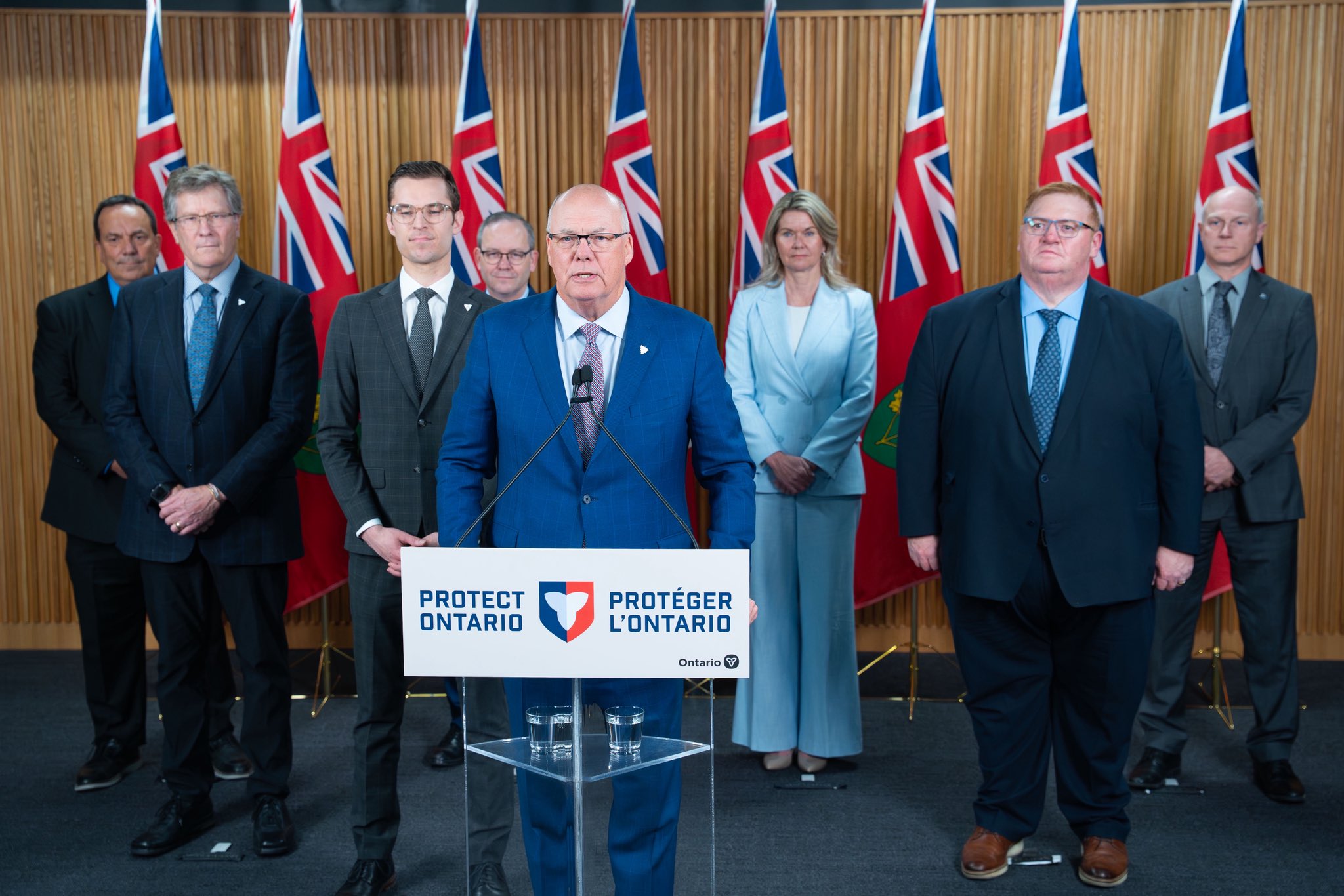
Government members, including Graydon Smith and Andrea Khanjin, said the proposed changes would help municipalities manage growth and reduce delays tied to governance structures.
Industry groups such as the Niagara Home Builders’ Association said they support governance reforms that could speed up approvals for housing and infrastructure projects.
However, the legislation would concentrate more authority at the provincial level and in the hands of appointed regional chairs, a shift that could draw scrutiny from municipal leaders concerned about local autonomy.
All regions would be required to review their council composition after the 2026 municipal election, though Niagara would be exempt until after the 2034 election.
The bill has been introduced but has not yet been passed.